- About Us
-
-
Our Blogs


Custom LLM vs ChatGPT – Which is Better
February 12, 2026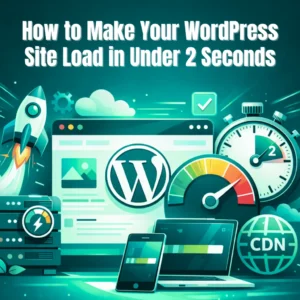
How to Make Your WordPress Site Load in Under 2 Seconds
February 9, 2026
-
-
- Services
-
- Technology
-
- Hire Tech Experts
-
Understand business needs objectives
Propose tech stack, timelines architecture
Sprint-based development with regular demos
Final testing and go-live with complete documentation
Ongoing maintenance, upgrades scale-up
Understand business needs objectives
Propose tech stack, timelines architecture
Sprint-based development with regular demos
Final testing and go-live with complete documentation
Ongoing maintenance, upgrades scale-up

We help define the ideal stack
Our architects suggest best options
With estimation, milestones & approach
Flexible delivery model: fixed or dedicated

Get expert tech consultation at no cost.
Get Free Tech AdviceBrief us on your needs (tech stack, duration, etc.)
Receive matched profiles within 24–48 hours
Interview the candidates and choose the right fit
Kick off the project seamlessly with our support

In today’s fast-paced digital world, website speed is no longer optional. Visitors expect pages to load instantly, and search engines reward fast websites with better rankings. If your WordPress site takes more than a few seconds to load, you’re likely losing traffic, conversions, and credibility. The good news is that with the right approach, it’s completely possible to make your WordPress site load in under 2 seconds.
This guide explains proven, practical strategies that help you achieve blazing-fast performance without compromising design or functionality.
Website speed directly affects user experience, bounce rate, and SEO performance. A slow site frustrates users and pushes them toward competitors. Search engines like Google also use speed as a ranking factor, especially after introducing Core Web Vitals. Faster WordPress websites enjoy higher engagement, better visibility, and increased conversion rates.
If you want your site to perform well in search results and keep visitors engaged, speed optimization should be a top priority.
Hosting plays a massive role in website speed. Shared hosting may be cheap, but it often results in slow load times due to limited resources. To achieve sub-2-second load times, invest in performance-optimized hosting.
Look for hosting providers that offer:
Managed WordPress hosting is especially effective because it’s optimized specifically for WordPress performance.
Your theme can either speed up or slow down your website. Heavy themes with unnecessary features, animations, and scripts increase page load time.
Choose a lightweight WordPress theme that:
Avoid themes that bundle too many plugins or demo content you don’t actually need.
Images are often the largest files on a webpage and a major cause of slow loading times. Optimizing images can drastically reduce page weight.
Best image optimization practices include:
Optimized images load faster and improve overall site performance without affecting visual quality.
Caching allows your website to store static versions of pages, reducing the need to generate content from scratch every time a visitor loads your site.
Effective caching techniques include:
Caching significantly reduces server load and helps pages load almost instantly for returning visitors.
WordPress websites often load multiple CSS and JavaScript files, which increases HTTP requests and slows down performance. Minification removes unnecessary spaces, comments, and characters from code files, making them smaller and faster to load.
Combining files where possible reduces the number of requests and improves page speed. Proper minification can noticeably reduce load times.
A CDN distributes your website’s static files across multiple servers worldwide. When a user visits your site, files are served from the nearest server location, reducing latency.
Benefits of using a CDN include:
A CDN is especially important if your audience is spread across different regions.
Plugins add functionality, but too many plugins can slow down your WordPress site. Poorly coded or outdated plugins are common performance killers.
To keep your site fast:
Quality matters more than quantity when it comes to WordPress plugins.
Over time, your WordPress database accumulates unnecessary data such as post revisions, spam comments, and transient options. This extra data can slow down database queries.
Database optimization helps by:
Regular database maintenance ensures your website remains fast and efficient.
PHP is the core programming language behind WordPress. Newer PHP versions are faster and more secure than older ones.
Updating PHP can:
Always test your site on a staging environment before switching PHP versions to ensure compatibility.
External scripts such as fonts, ads, analytics, and social media embeds can slow down your site because they rely on third-party servers.
To reduce their impact:
Fewer external requests lead to faster page load times.
Custom fonts enhance design but can slow down websites if not optimized properly.
Font optimization tips:
Optimized fonts improve speed while maintaining visual appeal.
Speed optimization is not a one-time task. Regular performance monitoring helps you identify issues before they affect users.
Use performance testing tools to:
Consistent testing ensures your WordPress site stays under the 2-second mark.
Making your WordPress site load in under 2 seconds is completely achievable with the right strategy. By choosing high-performance hosting, using a lightweight theme, optimizing images, enabling caching, reducing plugins, and leveraging a CDN, you can dramatically improve website speed.
Fast websites don’t just rank better—they convert better and deliver a superior user experience. Treat speed as an ongoing process, not a one-time fix, and your WordPress site will stay competitive, reliable, and lightning-fast.
With strategically located offices worldwide, our global presence ensures efficient delivery to clients across the globe, no matter the distance or destination.
B-622 Sun Westbank, Ashram Road, Ahmedabad 380009.
Unit 416, 91C Grima Street Schofields, NSW Australia, 2762